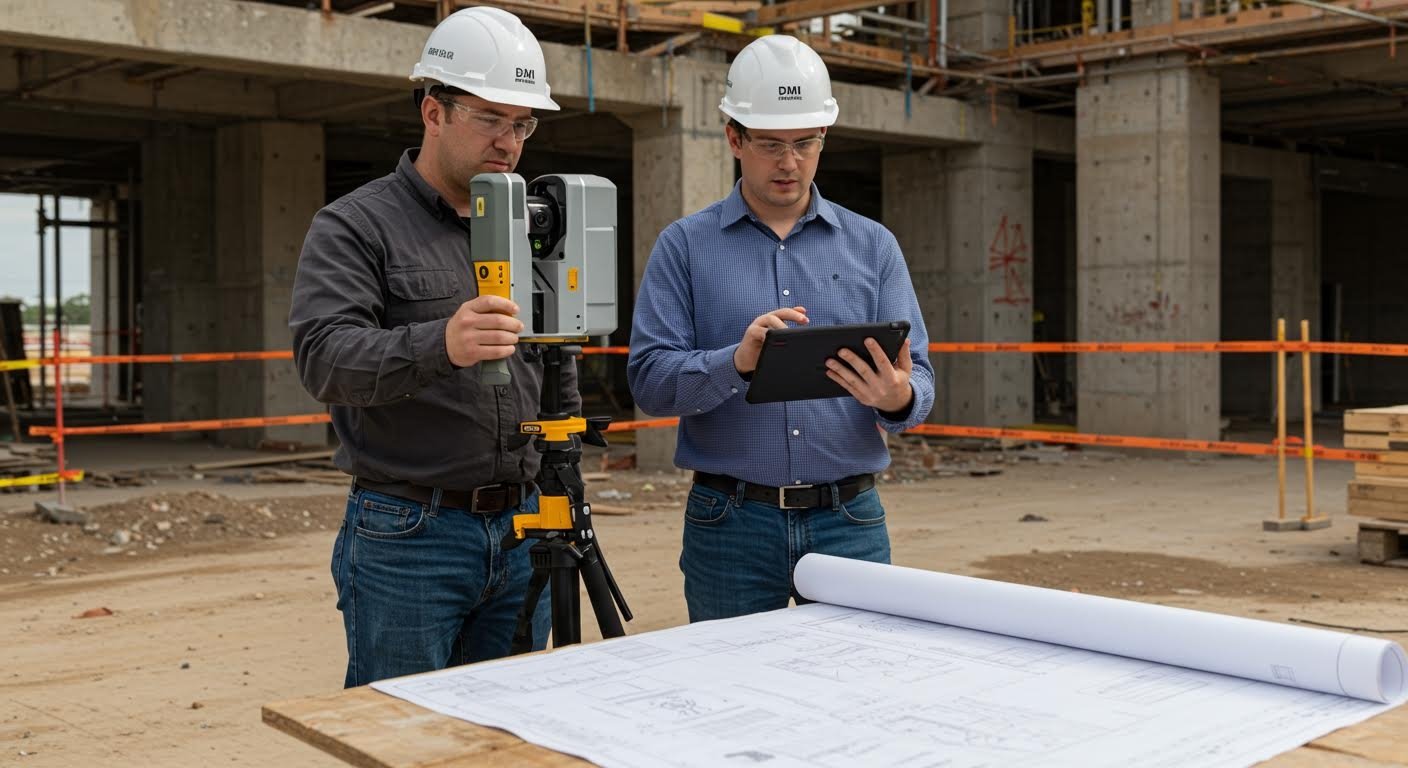
Errors in the scan-to-CAD process—like misaligned geometry, missing features, or warped dimensions—can affect everything that follows. Engineers and architects may rely on flawed data without realizing it. That leads to bad assumptions about walls, ceiling heights, or MEP routing. Even small mistakes can cause big construction problems. Check the scan data before creating AutoCAD files, and double-check that the CAD output still matches the real world. Don’t trust the software without a second look.
Bad CAD files can create safety issues on site. If a structural engineer works from a model with wrong beam or column placement, the result could be dangerous. Fire suppression, electrical, and HVAC systems also rely on accurate models. Mistakes can lead to code violations or hazards during emergencies. It’s not just about looks or fit—lives may be at risk. Always confirm key dimensions and structural elements before building starts.
Missed errors often show up during construction. That’s when crews pause, remeasure, and wait for updates. It wastes time and throws off the schedule. On commercial jobs, that can mean missed openings or lost income. One delay can trigger more, affecting subcontractors and inspections. Want to avoid that? Make sure your AutoCAD files match the real-world scan from the start.
Fixing mistakes during construction costs money. If walls go up with wrong dimensions, they may need to come down. MEP clashes from bad models lead to change orders and rework. These costs add up fast, especially on big jobs. Catching problems early saves money. That’s why checking AutoCAD accuracy isn’t just technical—it’s smart budgeting.
Accurate models build client confidence. But when errors show up on site, trust fades. Developers and property owners may question the whole project. That can hurt relationships and future work. Verifying AutoCAD accuracy shows clients they can count on your data. That helps them make better decisions—and they’ll remember that.
Before verifying AutoCAD files from 3D scans, organize your raw data. Start by sorting your scan files. If you have multiple scans from large buildings or mechanical rooms, label them by location and date. Use a consistent folder structure. Keep raw point clouds separate from processed files. Mixing them causes confusion fast.
Next, check coordinate systems. Make sure the point cloud lines up with survey control or site plans. If it’s off, your AutoCAD files won’t match real-world conditions. That throws off floor plans and MEP layouts.
Get these steps done first. Otherwise, you’re reviewing a broken file from the start.
Now check the point cloud quality. Look for gaps, misalignments, or noise. If the scanner missed surfaces or there's too much overlap, your AutoCAD files won’t be accurate. In Dallas, where teams scan older buildings or large industrial plants, bad scans can lead to wrong wall placements, incorrect elevations, and model drift. Fixing it later wastes time—or worse, leads to construction errors.
Also, check software compatibility. Not every point cloud format works with AutoCAD. Make sure your scan data imports cleanly. If you’re using ReCap or another tool, confirm the settings keep the right scale and accuracy. Don’t trust the defaults.
After receiving AutoCAD files from 3D laser scans—especially from an on-site scan in Dallas—don’t assume they’re accurate just because they look detailed. You need to confirm they match the real space. Here’s how.
Skip these checks, and errors will show up in your design. That means RFIs, change orders, or worse—fabrication mistakes. Always verify before starting design or construction based on scan data.
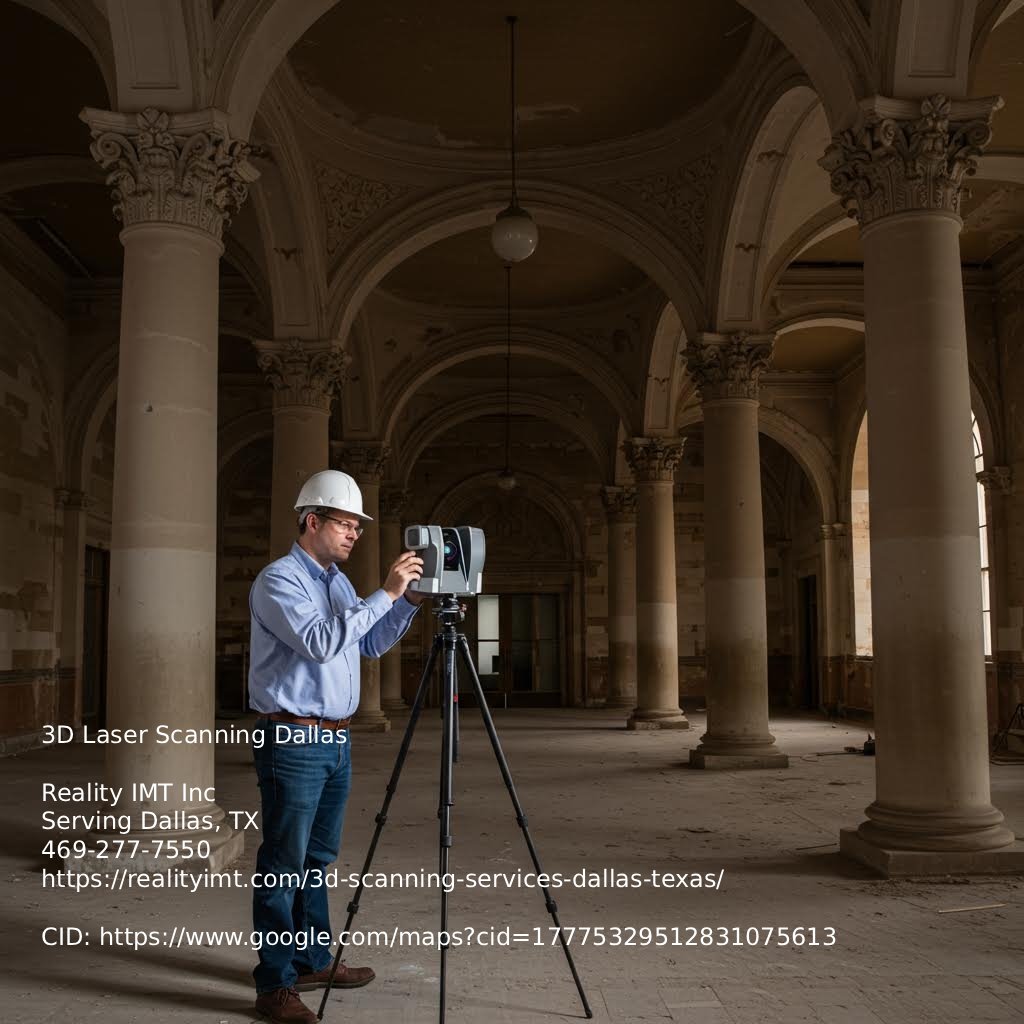
After completing the 3D laser scan and registering the point cloud data, the next step is creating an AutoCAD file. Accuracy can slip here if no one checks carefully. Even a small misalignment in the point cloud can throw off the entire CAD model. First, verify that the scan data aligns with known control points. If the coordinate system is off, everything else will be too.
When building 2D or 3D CAD models from the scan, cross-check key dimensions with physical site measurements or trusted architectural drawings. Focus on structural elements, floor elevations, and wall thicknesses. Don’t assume the model is correct just because it came from a scan. Features can be misread, or parts of the point cloud might be missing or noisy. Gaps in the scan can look like doors or windows when they aren’t.
Stick to your firm’s layer naming and model organization standards. This keeps things clear for teams handling renovations, MEP coordination, or space planning. Also, confirm that the model scale and units match the project. Mixing imperial and metric data causes major problems.
Before submitting the final file, ask someone outside the modeling process to review it. A fresh set of eyes can catch mistakes. This matters even more for projects in Dallas, where local permitting or preservation rules require high accuracy. Missed errors here can delay approvals or lead to expensive fixes.

When you work with 3D laser scanning teams in Dallas to create AutoCAD files, start with clear communication. Before scanning begins, define exactly what you need from the final drawings. Do you want floor plans, elevations, sections, or 3D models? Do you need MEP details or just the architectural shell? Misunderstandings often lead to mistakes. The scanning team must know the level of detail, file formats, layering standards, and any CAD templates your team uses. Don’t leave it to guesswork.
Ask how the scan data will become AutoCAD files. Some firms use automated tools, while others draft manually over point clouds. This choice affects accuracy and turnaround time. If you plan to use the files for construction or engineering, make sure the CAD output comes from registered, cleaned scans—not raw or unchecked data. Ask for a sample before the full job is done.
Next, review the AutoCAD files against the original scan data. This goes faster if the scanning team gives you a 3D viewer file or a point cloud overlay. Architects and engineers should confirm that key dimensions, wall thicknesses, and structural alignments match the actual site. Small errors can cause big issues during renovation or fabrication.
Finally, agree on how revisions will work. If something’s wrong or missing, will the team fix it? How long will it take? Clear answers here help you stay on schedule. Good planning early on saves time and money later.
When creating AutoCAD files from 3D scans, a clean model isn't enough. The files must meet the accuracy and documentation rules for your field. In construction and engineering, that often means following Level of Accuracy (LOA) or Level of Development (LOD) guidelines. For historic preservation, it may involve meeting HABS/HAER/HALS standards from the National Park Service. Asset managers might need to follow internal documentation rules or facility systems that require precise layer names and attribute tags.
In Dallas, 3D laser scanning usually uses LiDAR or photogrammetry, depending on the site and detail needed. The raw point cloud gets turned into 2D floor plans or 3D AutoCAD models. Here’s where things can go wrong. If scanning skipped control points, or if the modeler misread complex shapes, errors end up in the final CAD files. Once those files go into design or permitting, mistakes can lead to wrong dimensions, surprise site issues, delays, and rework.
Want to stay on track? Always check the AutoCAD output against the original scan. Use deviation tools to compare model geometry to the point cloud. Note the accuracy level—like +/- ¼ inch for architectural plans or tighter for fabrication. Don’t forget metadata. File names, coordinate systems, and layer setups should match project needs. This matters when teams share files or use them for long-term records.
Checking AutoCAD files made from 3D laser scans isn’t optional. It’s necessary. These files guide design choices, plan retrofits, coordinate trades, and secure permits. If something’s wrong—like a misaligned wall or missing element—it can delay the project or cause costly rework.
This matters even more in cities like Dallas, where scan-to-CAD work supports fast commercial renovations, industrial upgrades, and reuse projects. The AutoCAD files should match real-world conditions exactly. That doesn’t happen by accident. People need to check them.
We made a checklist to help. It covers layer setup, control point alignment, overlays, missing geometry, and consistent notes. It’s simple and useful. You can download the checklist here.
If your team works on scan-to-CAD tasks often or across many sites, it helps to track updates and catch mistakes early. We linked some tools and tips here that explain quality checks for 2D and 3D CAD files.
Verification isn’t a one-time step. It’s part of the process each time you use scanned data. The more often you check, the fewer problems later.